Through my experience in starting a print on demand business, I hope to bring clarity to those who have not yet embarked on this exciting journey. My hope is that I save you time and provide an easier path for you, filled with insights that I wish I had known when I was in your shoes. I have had many learnings along the way, ranging from understanding the nuances of market trends to the intricacies of design and production. There have been moments of excitement and moments of extreme disappointment, grappling with misprints and the lack of sales that make me doubt myself. Each experience has been a valuable lesson, shaping my approach and fueling my passion for this industry, and I am eager to share these lessons to help you navigate your own path with greater confidence.
In true Jenn fashion, I decided to venture into a new world—Print on Demand. Because I didn’t have enough on my plate already, right? How did I stumble into this new hobby, you ask? Well, I was casually scrolling one day, and this video grabbed my attention. This girl in the video was talking about how amazing selling print on demand products is, and it can be a very lucrative side hustle. That wasn’t the part that got me; what caught my attention was how easy it was to create your own designs. I love creating; however, I’ve never been an artist. I struggle to draw a good stick figure, let alone anything more intricate. Yet, the idea that I could potentially bring my creative visions to life without needing advanced skills was incredibly appealing. This was right up my alley and looked like a fun new hobby. The thought of designing unique apparel, home decor, and accessories that reflect my personality and interests was exciting.
So me being me, I decided to jump right in, embracing the exciting challenge that lay ahead. I found a print company called Printify, which offered a fantastic range of customizable products. Curious about the design process, I eagerly downloaded Canva, a graphic design program known for its user-friendly interface, and got to work. I went back to the step-by-step tutorial the girl online offered, pouring over her instructions to grasp every detail, and let’s just say, I had to rewind a few times to fully comprehend certain aspects. I’m not the most tech-savvy person, so some parts felt a bit overwhelming. However, with patience and determination, I slowly started to see my ideas materialize, and that sense of accomplishment kept me motivated.
I eagerly started designing, the ideas were just flowing out of me like a river. This was so fun! For a creative person, this was something that was extremely fulfilling. I could visualize the potential of each piece, imagining how they would resonate with others. I was also excited to launch my online brand connected to this blog—Nothing to Wear Collective—a collection of chic graphic tees and fashion-forward accessories that I hoped would inspire others to express their own unique styles. My vision included not just apparel, but also a range of thoughtfully curated products: candles to create a cozy atmosphere, journals that invite creativity, tote bags that are both functional and fashionable, blankets to snuggle up with, and more. Each item would serve as a perfect place to find stylish gifts for the fashion lover in your life, adding a touch of elegance and thoughtfulness to their wardrobe and lifestyle.
I created an Etsy account to showcase my unique designs and began publishing items as I completed them, carefully selecting photos and descriptions to attract potential buyers. Each item represented hours of hard work and creativity, reflecting my passion for craftsmanship. I excitedly shared my shop link with friends and family, hopeful that they would appreciate my creations and help spread the word about my new venture.
I was so excited to design my first logo graphic tee for Nothing to Wear Collective and ordered a sample for myself along with one of the candles I designed, envisioning how each piece would complement the lifestyle and aesthetic of the brand. I could already imagine myself wearing the tee while sharing the warm glow of the candle with friends during cozy gatherings. This venture into branding not only allowed me to express my artistic abilities but also connected me deeper with the community I hoped to build around Nothing to Wear Collective.
While I waited to receive my sample order, I continued to design and launch new items daily, fueled by a passion for creativity and innovation. Any minute I wasn’t working my real job or running a child around, I spent designing, refining each concept to ensure it met my high standards—usually about 5 hours a day. This period of anticipation became a valuable opportunity for me to hone my skills, experiment with different materials, and explore emerging trends in the market. I embraced the challenge of fitting this into my busy schedule, knowing that my dedication would eventually pay off in the form of unique products that resonated with my future customers.
The day arrived, and I received my sample order—this was the big reveal! I ran to the mailbox and grabbed my package, bursting with excitement and anticipation, and unwrapped it like a kid on Christmas morning. I carefully tore through the layers of wrapping to unveil my creations. I pulled the candle out first, admiring its shape and scent, but then I noticed the text and graphic were so tiny—it was so hard to read. My excitement began to fade a little, replaced by a sense of apprehension. I felt a little anxious as I pulled out the logo tee, hoping for the best but bracing for disappointment. I opened it and was so disappointed; the logo was really faded and hard to read, making the design feel incomplete and unprofessional. How did this happen? I spent some time pondering what could have happened, weighing different possibilities, so I decided Chat GPT was a good friend to ask—she never lets me down and always provides helpful insights. What did I learn? Well, when you are printing on T-shirts, blankets, candles, etc., you must pay attention to the resolution, which is critical for clarity and impact. Obviously, I didn’t pay much attention to the details in my rush to launch. I just thought, design, download, and upload to any product—bam! Well, that is not the case; the process requires a careful and thoughtful approach to ensure the final product truly reflects the vision I had in mind.
Since I had launched my site so quickly, I was eager to share my new venture with the world, so I was posting it on all my social media channels—Facebook, Instagram, TikTok, Threads, and Pinterest—hoping to generate some buzz and attract potential customers. In those initial days, I only sold a couple of items, one to my sister, who was very supportive of my efforts, and another to my husband’s cousin. Thank goodness for that initial support from family because I soon realized that I needed to redo these designs and send them new ones that better reflected the quality I aimed to deliver. This unexpected scenario was not off to a great start—already in a deficit with costs piling up, and my profit margins were not looking good. I felt the weight of the pressure as I navigated the challenges of being a new entrepreneur, constantly reminding myself that every setback was simply a stepping stone toward eventual success.
I continued designing my next round of products—this time I had a great theme that could be customized to fit a variety of styles and preferences, appealing to a broader audience. I thought, this is my million-dollar idea! I could barely sleep, as I found myself daydreaming about the countless possibilities my new creations could bring. Every night, I was dreaming of my Etsy app constantly going off with the cha-ching sound it makes when you sell an item, filling my heart with excitement. It was surely going to be going all day, non-stop! Images of happy customers receiving their unique, handcrafted items ran through my mind, each sale driving me to push the limits of my creativity even further.
I decided to do a daily launch with these items—it was a T-shirt and candle combo, both customizable, allowing customers to add their personal touch and making the products truly one-of-a-kind. I launched the first set on my social media channels and could not wait for the accolades to start rolling in! Unfortunately, it did not go as I had planned. I received a few likes here and there and made another sale— you guessed it, my sister again, who had been my most loyal supporter from day one. How could this be? Was there something wrong with my algorithm, or was my content simply not resonating with my audience? Maybe everyone was busy and they missed my post; after all, social media can be an overwhelming amount of information, and not every message gets the attention it deserves. With a blend of anxiousness and worry, I thought about the next launch, believing it would surely be a game changer. I started to brainstorm new ideas, thinking about how I could better engage my audience and showcase the uniqueness of my products.
The next day, I prepared my descriptions and launched the second set. As expected, I got a few likes, but nothing impressive. I thought that perhaps this wasn’t the right audience and that I needed to change my descriptions and SEO tags.
I committed to going through every listing and adjusting the descriptions and tags, ensuring that they were as appealing and informative as possible. It was a painstaking process, especially since I had already posted 50 items within a relatively short time frame. At this juncture, I also discovered the concept of mock-ups, which are an innovative AI tool designed to take your T-shirts and seamlessly place them on a model in a realistic manner. As I dug deeper into the research surrounding mock-ups, I quickly realized that these tools were not just optional enhancements but rather a necessity for anyone serious about selling apparel online. Showing my product on an actual model opened up a lot of possibilities, including attracting more potential customers and increasing engagement. This not only heightened the appeal of my T-shirts but also communicated their fit and style in a way that flat images could never achieve. Recognizing their amazing potential, I decided to invest in this paid service, knowing that it would significantly elevate my product’s visibility and ultimately help promote it more effectively in a competitive market.
Now the fun part. After I went through every listing and adjusted the description and SEO tags, I then needed to go through all the T-shirts and choose the perfect mock-up for each. This is not a quick process as you have to find the right model to show the product properly, taking into account the fit, style, and overall vibe that would attract customers. Another night of going through many listings and adjustments felt necessary, as I wanted to ensure every detail was just right. I examined each design on various mock-ups, considering how the colors popped and how the fabric draped on diverse body types, which required patience and an eye for detail. Ultimately, it was a creative challenge that proved to be both time-consuming and enjoyable, as I envisioned how each shirt would look in the hands of satisfied customers.
To recap so far, I adjusted the resolution, descriptions, and SEO tags and added real models. I was tired but still hopeful. I also realized my prices were too low and didn’t want my product to seem cheap, so I adjusted each one.
A few days went by, no sales. What could it be? Thinking back to the girl on the video who inspired my journey, she put a simple text on a shirt and sold a million (so she said). I invested so much heart and creativity into every design, pouring over colors, fonts, and messages that resonated with my vision. I imagined how each piece might make someone feel unique and confident as they wore it. I refused to look at other people’s designs online as I didn’t want to be swayed away from my original inspirations. Instead, I focused on what made my work special, convinced that my originality would eventually shine through in the many options available to shoppers. Perhaps, I thought, I just needed to give it a little more time and patience for my creations to find their rightful place in the world.
Next steps, find an educational podcast. Check! I discovered a fantastic podcast about starting a print on demand business. It features two brothers who embarked on their journey in this industry 10 years ago and have since become multi-millionaires. Their experiences have equipped them with a wealth of knowledge that could prove invaluable to aspiring entrepreneurs like myself. As I listened to their stories of struggle, perseverance, and hard-earned success, I couldn’t help but feel that they must have some profound insights into why my little business was not taking off as I had hoped. Their expertise may help me identify the challenges I have encountered and direct the path forward, allowing me to refine my strategies and ultimately achieve the success I desire.
I learned so much listening to this podcast; it was like going back to school in the most engaging way. The hosts brought forth many ideas and little details that I had not previously considered, making me realize just how much I had yet to learn. I invested every minute while I was driving, fully immersed in the conversation and soaking up all the education they offered. Each episode felt like a deep dive into a subject I was passionate about, and I found myself eagerly anticipating the next insight or perspective. It transformed my commute into a productive learning experience, enhancing both my knowledge and my outlook on various topics.
I continued to go back and adjust my designs and listings, which was very time-consuming; however, I believed it was essential to ensure that every detail was perfect and reflected my brand’s vision. With each modification, I considered the feedback I received from my audience, aiming to create a more appealing and user-friendly experience. This long process, while exhausting, ultimately allowed me to refine my work.
Still, no sales—except for my sister. Her support means the world to me, but now I was wondering if my pricing was too high for the market. I then decided I should launch all of my products at cost to start building a following; after all, I want to create a loyal customer base and generate interest in what I offer. I mean, who really makes money when they first launch a new business anyway? It’s all about establishing a brand presence, fostering relationships, and gaining trust. Perhaps by providing exceptional value upfront, I can encourage feedback that will help me improve my offerings and eventually lead to more sales down the line. I went back and adjusted the prices of all items to my cost, thinking this would increase sales and build a loyal customer base!
The next morning, still no sales. As I was driving to work, I was listening to my podcast, hoping to find some inspiration to turn my situation around. One of the brothers was discussing pricing and how you should not start too high OR too low. He articulated that if you start low, you will lose the customers that purchase from you in the beginning once you begin to raise prices, which made complete sense. I never considered the long-term impact of my pricing strategy, and I realized that setting the right price point is crucial for sustaining customer relationships. Oh my gosh, why didn’t I think about this? I felt a wave of frustration wash over me; how could I be so stupid to overlook such an important aspect of my business? Back to the drawing board to change my pricing again. It felt like a yo-yo, going back and forth. Still, I was determined to make this business successful.
As I reviewed pricing for the 10th time, I glanced at the shipping cost for one item and realized it was $7—ouch! This was set to the buyer’s responsibility to pay, so I’m sure this was a significant factor in why I was not selling. Who wants to pay $7 shipping on an $18 T-shirt? It seemed so disproportionate that it made me rethink my pricing strategy entirely. Perhaps if I adjusted the shipping cost or found a way to offer free shipping by incorporating it into the product price, it might attract more buyers. Another learning opportunity arose as I reflected on how the total cost can seriously impact consumer decisions. Understanding this balance between product price and shipping fees is crucial for anyone looking to succeed in online sales. Ultimately, I know that making these modifications could lead to better sales and a more positive shopping experience.
Onward and upward! I was learning daily and discovering new techniques for designing and engaging customers. The podcast continued to be an excellent tool for learning. One morning while driving to work, the podcast brothers had an episode on Etsy vs. Shopify. I was very interested in what they had to say on this subject. They proceeded to explain that Etsy was like having a booth at the craft fair, while Shopify was like legitimately owning your own business. Although you have to drive your business solely through marketing with Shopify, the end result could create long-term success. Etsy has millions of buyers and sellers which lends itself to a lot of competition in not only design but pricing, and sellers that have been established on the app for many years with many followers. It was going to be challenging to break into this world and build a loyal customer base.
This got my mind spinning—again. I know it’s hard to keep up—I live with this crazy mind every day. I thought, well, if I’m going to do this, I should do it the right way and build my own website and brand. Although it would take time, the process would be enjoyable, and it would have meaning to me. Launching this blog a year ago is something that makes me so proud of myself, and it brings me joy. Adding an extension of the blog to create an actual brand is on another level.
I started my research into Shopify and got started immediately on building my own website. Referencing earlier when I said I am not tech-savvy, thank goodness the platform has easy starter templates and step-by-step instructions, so even those of us that are tech-challenged can navigate their way through this process with ease. The really great part about this was the seamless integration between Printify and Shopify, which made the transfer of products not only straightforward but also quite efficient, allowing me to focus on creating a unique brand experience. I spent many hours building my gorgeous website, ensuring that every detail—from the color scheme to the product descriptions—reflected my personal style and vision. I meticulously selected each image and crafted engaging content, excitedly imagining how potential customers would perceive my creations. It was really coming together, and I felt so much anticipation as my dream was becoming a reality, fueling my motivation to push through any lingering doubts or challenges.
I was working on the website one Saturday night when, around midnight, I received an email from Shopify that would change everything. To summarize, it stated I had violated their terms and conditions, and they would be terminating my store effective immediately. My heart broke into a million pieces; this must be a mistake! I would never knowingly violate any term or policy, especially since I hadn’t even gone fully live with my store yet. Overwhelmed by a mix of confusion and anxiety, I started to research urgently how I could get my website back. I connected with a Shopify associate via chat and explained my complex situation in hopes of a resolution. Unfortunately, the email provided no clarity on what exactly I had violated, and the associate seemed to be limited in their ability to assist me, providing no further information except to send in the required forms the email had explicitly asked for. Feeling desperate, I went back to the email one more time, and it stated I needed to send a copy of my driver’s license along with my business tax ID. However, I didn’t have a business tax ID as I had initially registered the account as an individual, not a business entity. This detail was crucial, and I explained all of this in great detail as I submitted my license, hoping it would shed some light on the misunderstanding and resolve this nightmare before it became irreversible. Several days later, I received another email from Shopify saying my store was terminated. I understood that working with Shopify wasn’t going to happen, so I used the experience as a learning and brainstormed next steps, which is where I am at today.
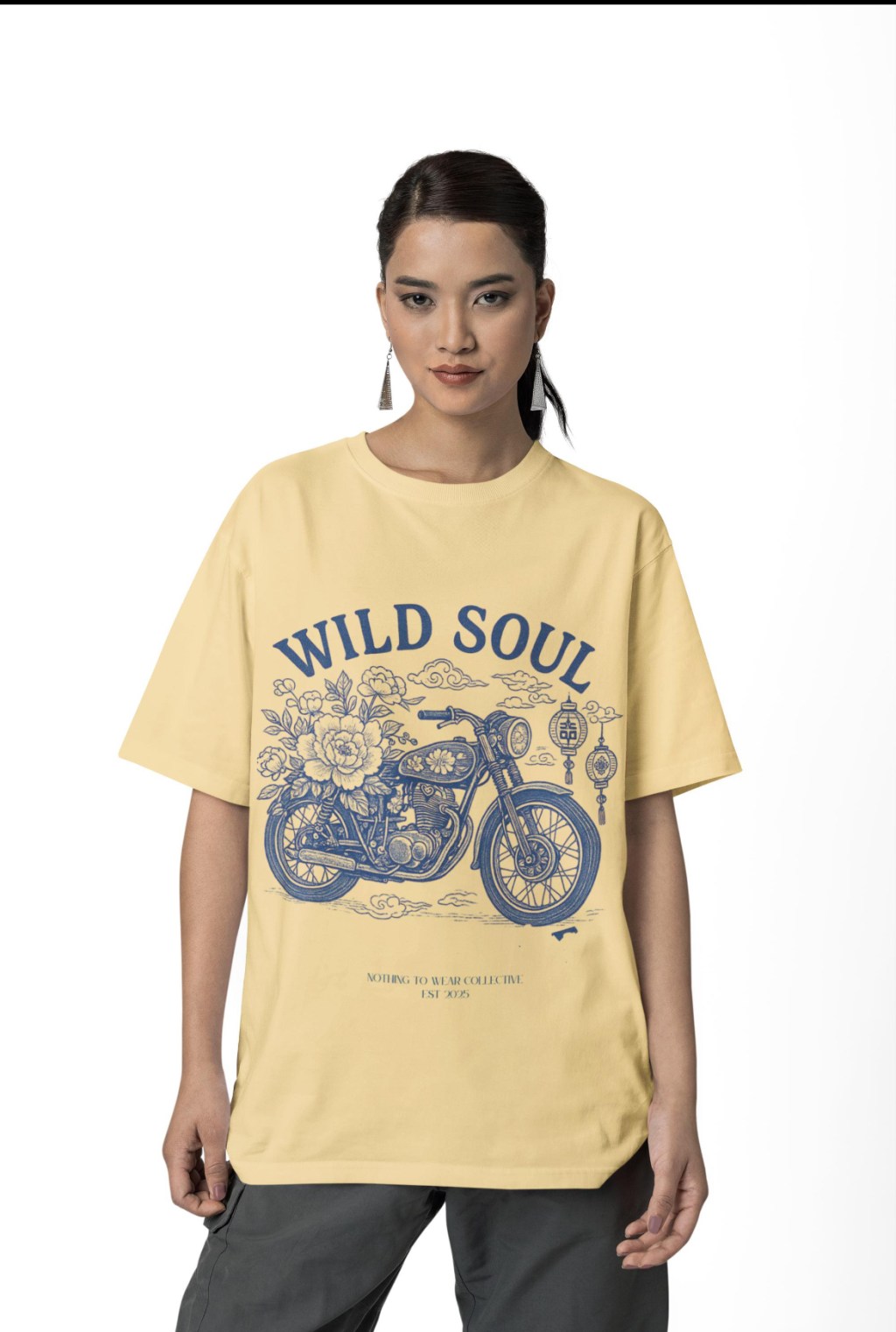
Here are a few of my designs- click on photo to be taken to the site:
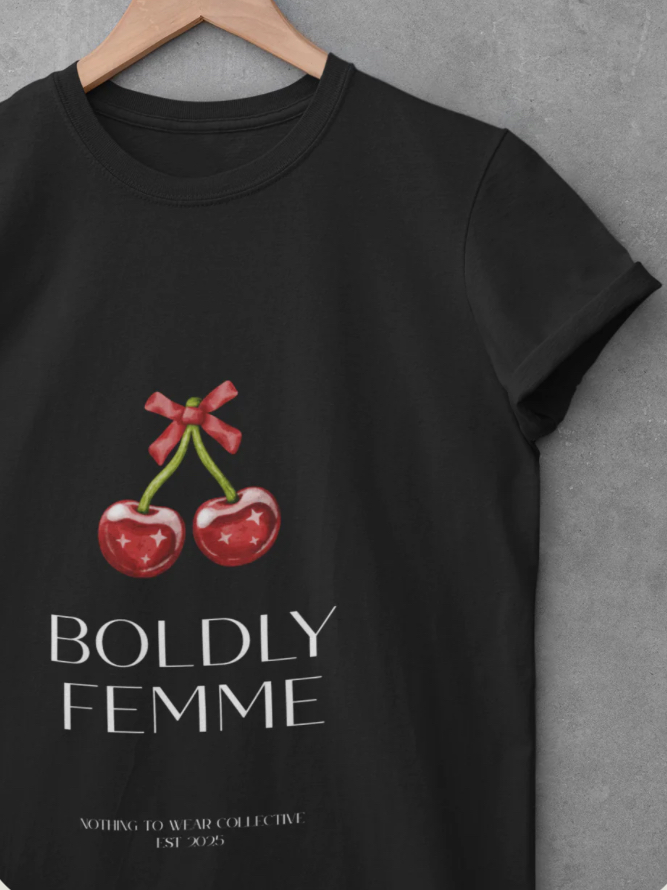
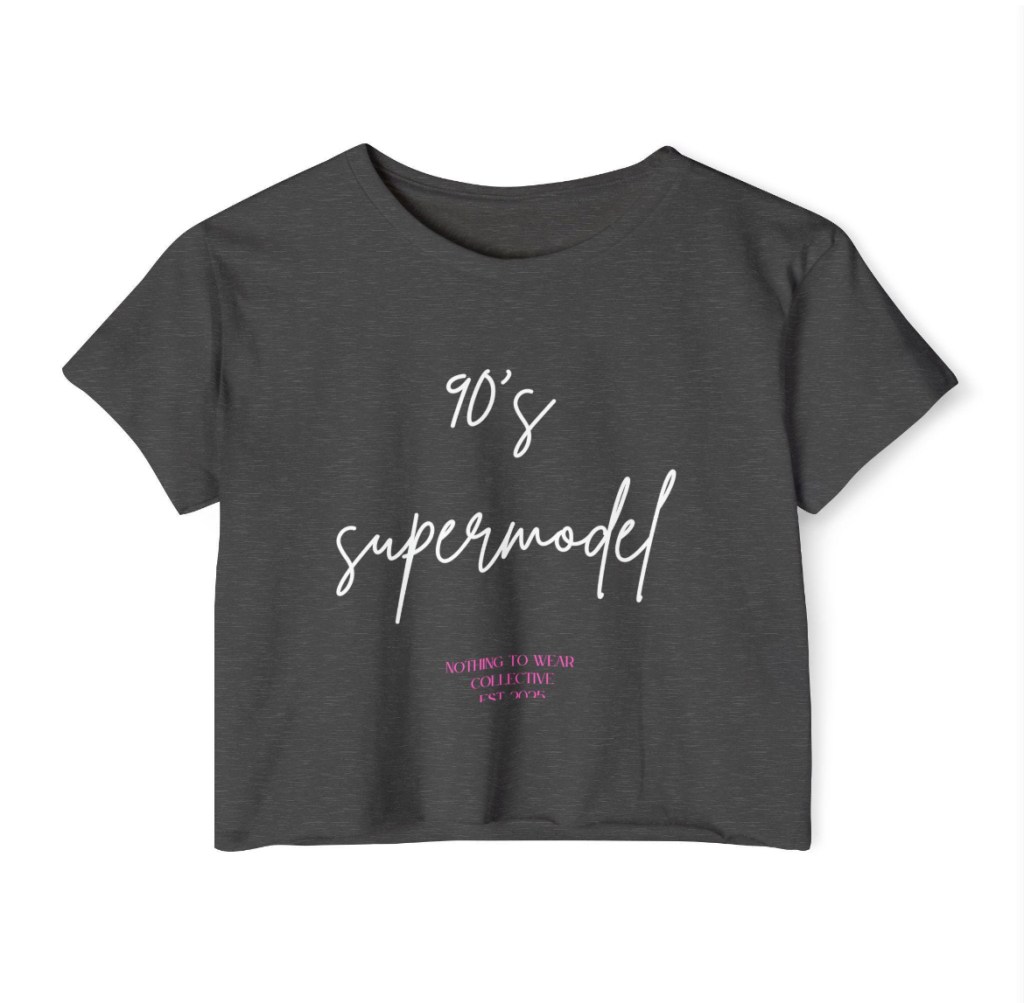
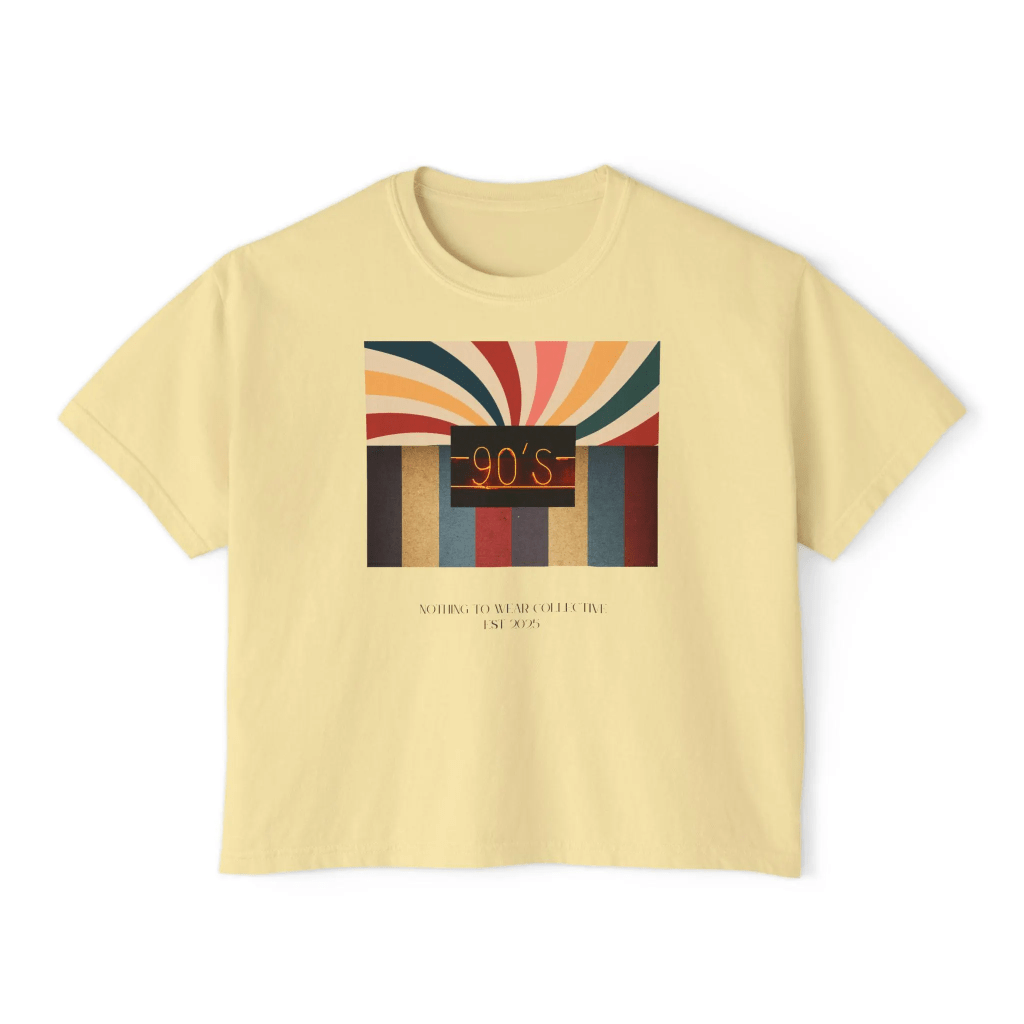
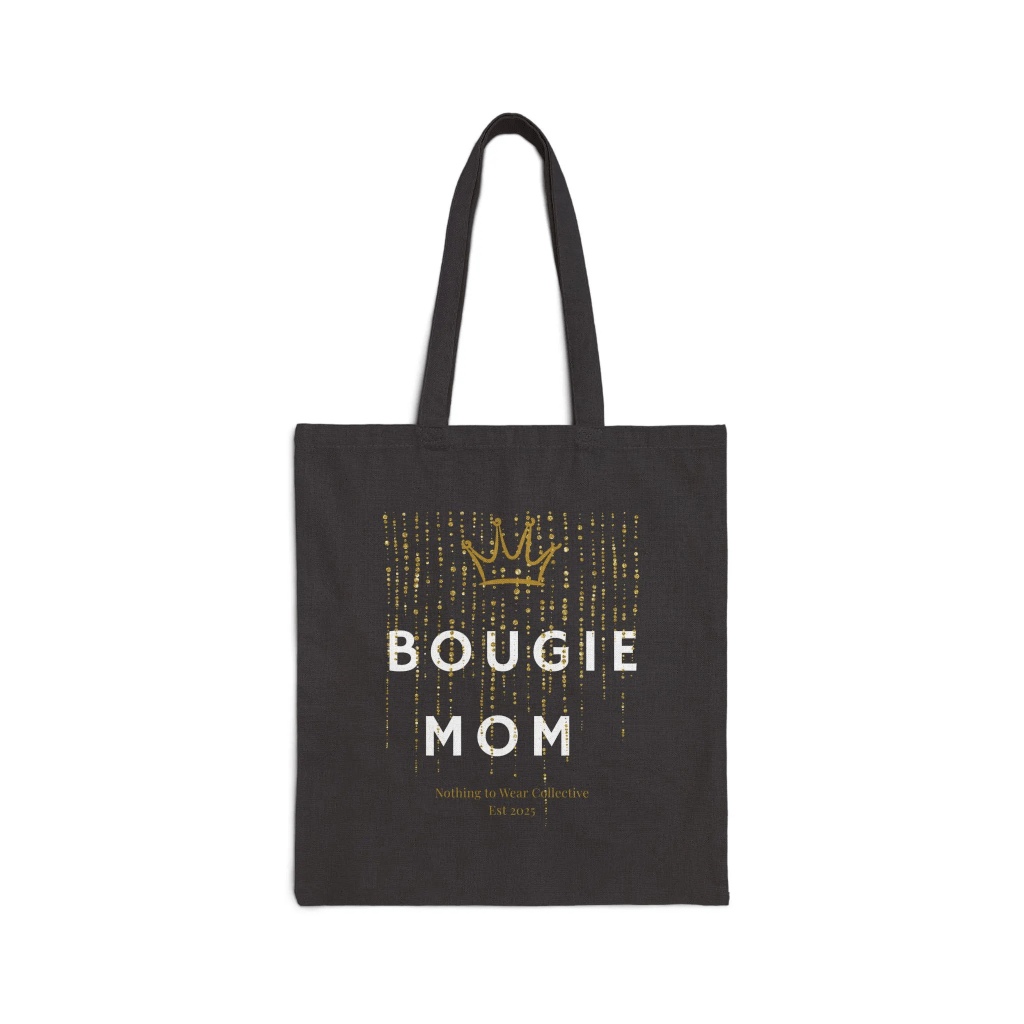

If you would like to see my other items, feel free to click on my link:
Please subscribe to Nothingtowear.blog if you would like to be notified when new articles are posted.


 Nothing to Wear! Dress like you mean it!
Leave a comment